

Why Do People in Japan Pay Someone to Quit for Them?
Many people are surprised to learn why people pay to quit in Japan, a cultural phenomenon that reveals deep insights into Japanese work culture. In Germany and most of Europe, the idea sounds almost unbelievable:
a company you can pay to quit your job for you.
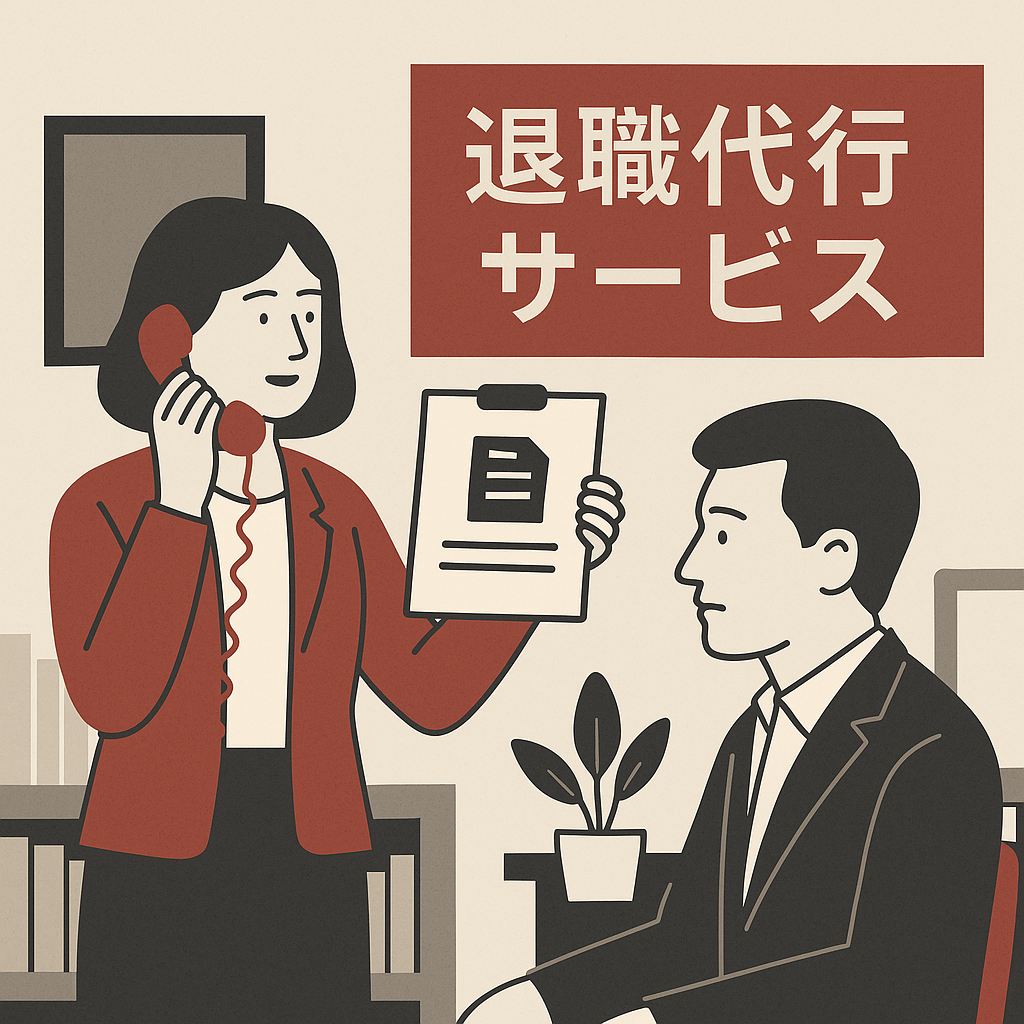
Yet in Japan, these so-called “resignation agencies” (退職代行サービス, taishoku daikō sābisu) have become a fast-growing and widely accepted service. Their existence tells us far more than a quirky cultural detail — they reveal deep insights into Japanese communication norms, workplace expectations, and the emotional weight many employees carry when leaving a job.
This article explains what resignation agencies are, why they have become so prominent, and what international professionals can learn from them when collaborating with Japanese teams.
What Exactly Are Resignation Agencies (Taishoku Daikō)?
A resignation agency is a professional service that handles the entire quitting process on behalf of an employee.
Once hired, the agency contacts the employer, announces the resignation, and manages all necessary communication. In most cases, the employee never needs to speak to their manager again and is not required to return to the workplace.
The process typically looks like this:
- The employee contacts the agency (often online or via LINE).
- A flat fee is paid — usually between 20,000–30,000 yen.
- The agency informs the employer of the resignation.
- Legally, the employer cannot refuse the resignation.
- All further correspondence is channelled through the agency.
In essence:
the emotional burden of quitting is outsourced.
Why This Phenomenon Exists in Japan
To understand why resignation agencies have become mainstream, we need to take a closer look at several cultural and structural factors. None of them exist in this Form in Germany or other Western countries.
1. Maintaining Harmony (和 / wa)
Japanese society places high value on preserving harmony, avoiding disruption, and maintaining group cohesion.
Quitting a job — especially suddenly — is seen as creating inconvenience for colleagues and the team. For many employees, this is emotionally extremely difficult.
2. Fear of Confrontation and Hierarchy Pressure
In Japan, directly disappointing a superior can feel deeply uncomfortable.
Even a polite resignation conversation might feel confrontational, disrespectful, or shameful.
A hierarchical structure strengthens this dynamic: declining a manager’s request, even when it concerns your own employment, can be perceived as improper.
3. The Emotional Weight of Leaving a Team
In many Japanese workplaces, loyalty and long-term belonging are still highly valued.
Leaving a company — especially quickly or due to stress — may feel like abandoning the team.
Resignation agencies remove the need for a personal “farewell confrontation.”
4. Protection Against Power Harassment
Unfortunately, abusive or overly demanding managers (pawa hara) still exist in some workplaces.
Employees fear:
- being talked out of resigning
- being guilt-tripped
- losing unused holidays
- emotional pressure during the last days or weeks
For vulnerable employees, a resignation agency provides safety and neutrality.
5. Lack of Confidence in Handling Labor Law
Many younger employees are unsure about legal procedures or fear making mistakes.
Delegating the process to a professional service provides clarity and reassurance.
Why This Is So Different From Europe?
From a European perspective, the concept seems strange because:
- quitting is considered a basic personal right
- employees typically write a resignation letter and that’s it
- we expect some level of direct communication with management
- outsourcing a resignation might appear excessive or unnecessary
But in Japan, quitting involves:
- interpersonal obligations
- social expectations
- emotional sensitivity
- hierarchical dynamics
The cultural meaning of “resignation” is therefore much larger.
It is not merely a contractual decision — it is a social event.
What This Phenomenon Teaches Us About Japanese Business Culture
Resignation agencies illuminate deeper patterns of communication, which are also relevant in daily collaboration with Japanese partners or teams.
1. Indirect Communication Is a Core Competence
If quitting directly is difficult, bringing up smaller issues — misunderstandings, workload problems, unclear expectations — may be even harder.
Leaders working with Japanese teams should pay attention to subtle signs:
- reduced initiative
- vague language
- “It might be a little difficult…”
- hesitation to commit
- polite silence
These are not signs of disinterest — they may signal discomfort, pressure, or misalignment.
2. Employees Avoid Causing Trouble
In Japanese workplaces, many people try to avoid being a burden.
They may not openly mention dissatisfaction until the situation becomes unbearable.
International managers often underestimate how early support or dialogue is needed.
3. Psychological Safety Needs a Different Approach
Western concepts of open feedback do not always translate directly.
Creating a safe environment requires:
- private check-ins
- indirect questions
- gentle invitations to share concerns
- non-judgmental listening
The more psychological safety employees feel, the less need there is for extreme solutions like taishoku daikō.
Implications for International Leaders and Teams
For anyone working with Japanese colleagues, this phenomenon is a reminder:
- Direct communication should not be assumed.
- Discomfort may be hinted at subtly, not stated clearly.
- Regular check-ins help uncover concerns before they escalate.
- Cultural context dramatically shapes workplace behaviors.
For multinational companies, understanding these nuances is crucial for employee well-being, retention, and effective collaboration.
Conclusion: A Small Service With a Big Message
Resignation agencies may seem unusual from a Western perspective, but they offer a powerful insight:
In Japan, communication is not just about words — it’s about relationships, harmony, and emotional responsibility.
Understanding these dynamics helps us navigate Japanese business culture with respect, clarity, and cultural intelligence.
🌸 Interested in learning more?
Our Japan Academy offers short learning nuggets and micro-courses that help professionals decode Japanese communication, meetings, and collaboration — with practical tools for everyday business.
👉 Explore the Japan Academy
👉 Stay connected: subscribe to our newsletter for new articles, insights, and Academy updates.

